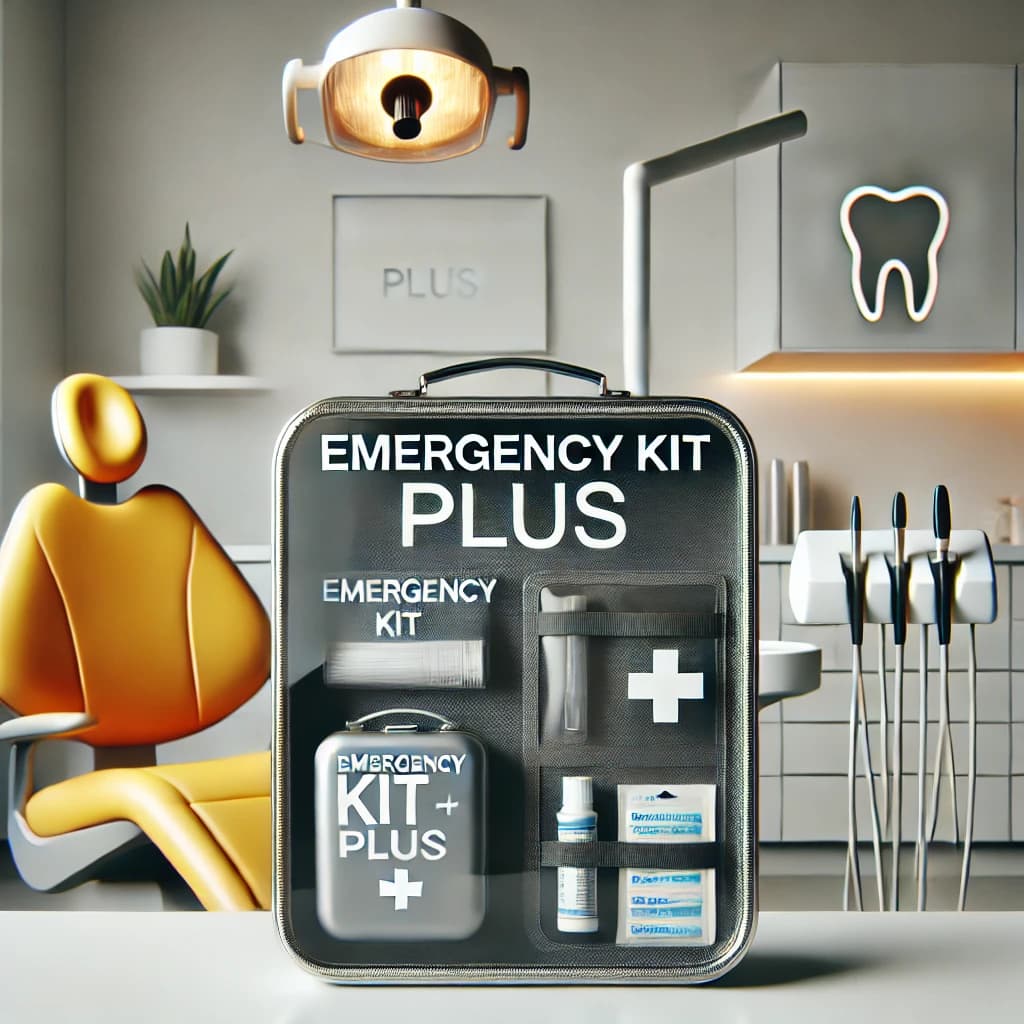
DentalEmergency,
EmergencyKit,
DentalCompliance
Why Your Dental Office Emergency Kit Matters More Than You Think
Let's talk about something most dentists don't want to think about: medical emergencies. Not the hypothetical "it could happen" kind. The real, heart-pounding, "someone needs help NOW" kind. Medical emergencies happen in dental practices. Not every day, not even every month for most practices. But they happen often enough that every dentist will likely face one at some point in their career.
The Uncomfortable Truth About Dental Office Emergencies
Medical emergencies happen in dental practices. Not every day, not even every month for most practices. But they happen often enough that every dentist will likely face one at some point in their career. According to the American Dental Association, the most common medical emergencies in dental settings include:
- Syncope (fainting) - the most common emergency
- Allergic reactions - ranging from mild to severe
- Asthma attacks - triggered by stress or materials
- Chest pain or angina - in patients with heart conditions
- Hypoglycemic episodes - in diabetic patients
- Seizures
- Stroke symptoms
The question isn't "Will I ever face an emergency?" The question is "Will I be ready when it happens?"
What the ADA Actually Requires
The American Dental Association has clear guidelines about what should be in a dental office emergency kit. Not recommendations - actual guidelines that most state boards have adopted in some form. The essential medications every dental office should have are:
- Epinephrine (Injectable 1:1,000) - For severe allergic reactions and anaphylaxis
- Antihistamine (Injectable Diphenhydramine) - For allergic reactions
- Nitroglycerin (Sublingual Tablets or Spray) - For chest pain or suspected cardiac events
- Bronchodilator (Albuterol Inhaler) - For asthma attacks or breathing difficulties
- Glucose (Oral Tablets) - For diabetic emergencies when blood sugar drops
- Aspirin (Chewable Tablets) - For suspected heart attacks
- Ammonia Inhalants - For fainting episodes
That's it. Seven items. Not 40. Not a crash cart that looks like it belongs in an ER. Just seven essential medications that cover the vast majority of medical emergencies you'll encounter.
Why Most Emergency Kits Fail When You Need Them
Here's the problem with most dental office emergency kits:
- They're too complicated. Many kits come packed with equipment and medications that require specialized training to use. When an actual emergency happens, you don't have time to figure things out. You need to know exactly where something is and how to use it - right now.
- They're outdated. Medications expire. Epinephrine typically has a shelf life of 18-24 months. Nitroglycerin can lose potency even faster. If you haven't checked in a year or two, there's a good chance you're carrying expired medications.
- They're inaccessible. Some practices keep their emergency kit in a back storage room, or mounted high on a wall, or tucked in a cabinet. In an emergency, every second matters. Your kit needs to be visible, accessible, and known to every team member.
What Actually Happens in a Dental Emergency
Let's be realistic about what an emergency looks like: Someone starts feeling unwell. Maybe they're sweating. Maybe they can't catch their breath. Maybe they're clutching their chest. Maybe they're slumping in the chair. Your heart rate spikes. Your staff looks to you. The patient (or their family member) is scared. You have maybe 60-90 seconds to:
- Assess what's happening
- Call 911 if needed
- Locate your emergency kit
- Find the right medication
- Administer it correctly
- Monitor the patient until help arrives
There's no time to search through a complicated kit, read instruction labels, guess which medication to use, or ask your assistant where something is. This is why simplicity and organization matter so much.
The Three Things Your Emergency Kit Must Do
After talking with dozens of dentists about their emergency preparedness, three things consistently come up:
- It Must Be Simple - Your newest team member should be able to locate any medication in under 30 seconds. If they can't, your kit is too complicated.
- It Must Be Current - All medications should have at least 12 months until expiration when you receive them. You should check expiration dates quarterly. No exceptions.
- It Must Be Accessible - Every team member should know exactly where it is without thinking. It should be in your main treatment area, not tucked away somewhere "safe."
The Cost of Being Unprepared
Let's talk about cost - not just financial, but professional and emotional. Legally, you're required to have emergency medications available. State dental boards vary, but most require some form of emergency preparedness. If you don't have the proper medications - or if they're expired - you're potentially exposed to liability. Professionally, your patients trust you. They trust that you're prepared for anything that might happen while they're in your chair. Breaking that trust isn't something you want to do. Emotionally, there's a weight that comes with being unprepared.
What to Look for in a Medical Emergency Kit
When evaluating emergency kits for your practice, here's what matters:
- ✓ ADA-Compliant Medications - All seven essential medications, properly dosed and labeled
- ✓ Fresh Expiration Dates - At least 12 months remaining on all medications when you receive the kit
- ✓ Clear Organization - Everything labeled and easy to locate. Color coding helps
- ✓ Compact Size - Small enough to keep in your operatory area, not stuck in a back room
- ✓ Reasonable Pricing - You shouldn't pay $1,000+ for seven medications
- ✓ Easy Replacement - When something expires, you should be able to replace just that item - not buy an entire new kit
The Bottom Line
Medical emergencies in dental offices are real. They're not common, but they happen often enough that you need to be prepared. Having the right emergency kit isn't about checking a compliance box. It's about being ready to help someone when seconds matter. It's about knowing that if something goes wrong, you have the tools you need within arm's reach. It's about your team being confident and trained, not confused and searching. And it's about your patients trusting that you take their safety seriously - because you do.
Having the right emergency kit isn't about checking a compliance box. It's about being ready to help someone when seconds matter.
According to the American Dental Association, the most common medical emergencies in dental settings include syncope (fainting), allergic reactions, asthma attacks, chest pain, hypoglycemic episodes, seizures, and stroke symptoms. The question isn't "Will I ever face an emergency?" The question is "Will I be ready when it happens?"
Ensure Your Practice is Emergency Ready
DentalKits.io provides ADA-compliant emergency kits with automatic medication restocking to ensure your practice is always prepared.Explore our emergency kit solutions orCompare the Standard and Plus emergency kits.

